Novo Nordisk
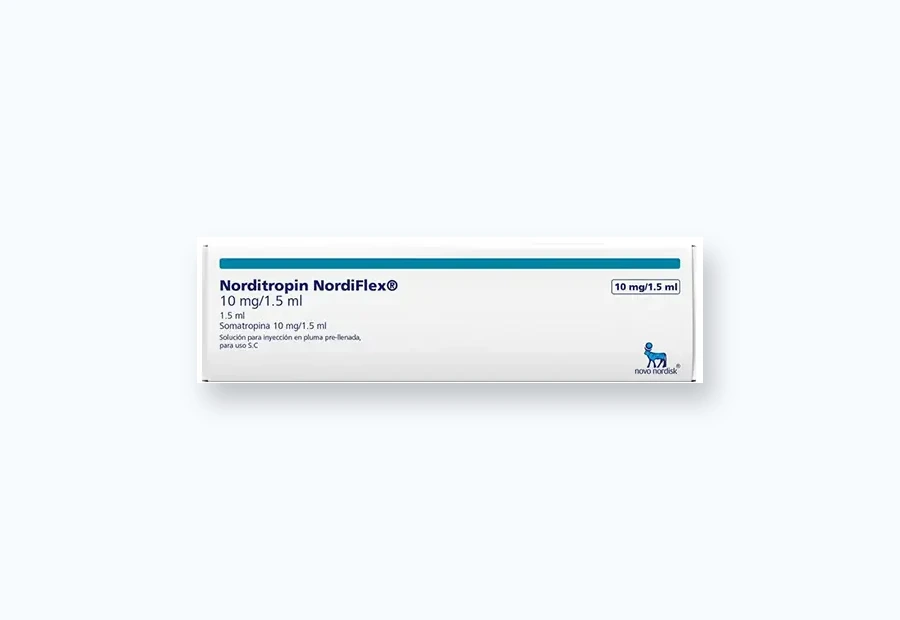
01Norditropin® FlexPro 5mg
| Quantity | Each | Total |
|---|---|---|
| 1 Pen (15 IU) | $375 | $375 |
| 3 Pens (45 IU) | $365 | $1,095 |
| 5 Pens (75 IU) | $355 | $1,775 |
Explore premium HGH brands, compare pharmaceutical-grade somatropin products, and discover competitive USD pricing across multiple strengths and presentations.
Prescription information only. No anonymous drug checkout. Medical evaluation is required for prescription HGH.
Reference pricing recovered from the existing product catalog. Prices and availability can change; confirm current information by phone.
| Quantity | Each | Total |
|---|---|---|
| 1 Pen (15 IU) | $375 | $375 |
| 3 Pens (45 IU) | $365 | $1,095 |
| 5 Pens (75 IU) | $355 | $1,775 |
| Quantity | Each | Total |
|---|---|---|
| 1 Pen (30 IU) | $725 | $725 |
| 3 Pens (90 IU) | $695 | $2,085 |
| 5 Pens (150 IU) | $675 | $3,375 |
| Quantity | Each | Total |
|---|---|---|
| 1 Pen (45 IU) | $1,075 | $1,075 |
| 3 Pens (135 IU) | $1,040 | $3,120 |
| 5 Pens (225 IU) | $995 | $4,975 |
| Quantity | Each | Total |
|---|---|---|
| 2 Pens (32 IU) | $350 | $700 |
| 4 Pens (64 IU) | $330 | $1,320 |
| 6 Pens (96 IU) | $315 | $1,890 |
| Quantity | Each | Total |
|---|---|---|
| 1 Pen (36 IU) | $695 | $695 |
| 3 Pens (108 IU) | $675 | $2,025 |
| 5 Pens (180 IU) | $650 | $3,250 |
| Quantity | Each | Total |
|---|---|---|
| 2 Cartridges (60 IU) | $575 | $1,150 |
| 4 Cartridges (120 IU) | $530 | $2,120 |
| 6 Cartridges (180 IU) | $500 | $3,000 |
| Quantity | Each | Total |
|---|---|---|
| 1 Cartridge (45 IU) | $845 | $845 |
| 3 Cartridges (135 IU) | $785 | $2,355 |
| 5 Cartridges (225 IU) | $745 | $3,725 |
| Quantity | Each | Total |
|---|---|---|
| 2 Vials (36 IU) | $350 | $700 |
| 4 Vials (72 IU) | $325 | $1,300 |
| Quantity | Each | Total |
|---|---|---|
| 1 Vial (36 IU) | $695 | $695 |
| 3 Vials (108 IU) | $675 | $2,025 |
| 5 Vials (180 IU) | $650 | $3,250 |
| Quantity | Each | Total |
|---|---|---|
| 2 Vials (30 IU) | $290 | $580 |
| 4 Vials (60 IU) | $275 | $1,100 |
| 6 Vials (90 IU) | $250 | $1,500 |
| Quantity | Each | Total |
|---|---|---|
| 1 Vial (36 IU) | $695 | $695 |
| 3 Vials (108 IU) | $650 | $1,950 |
| Quantity | Each | Total |
|---|---|---|
| 10 Vials (40 IU) | $60 | $600 |
| 20 Vials (80 IU) | $55 | $1,100 |
| 30 Vials (120 IU) | $55 | $1,650 |
“HGH” is not one universal box. Brand, strength, presentation and delivery device matter.
Somatropin in FlexPro® prefilled pen presentations. Compare milligram strength and total IU, not pen count alone.
Recombinant somatropin in cartridge and delivery-device configurations.
Recombinant somatropin with cartridge-based presentations. Strength and supplied quantity matter.
Somatropin with vial and delivery-system history. Verify exact presentation and storage instructions.
Long-established recombinant somatropin brand. Current availability should be confirmed.
Vial-format product name appearing in HGH searches. Verify manufacturer, labeling, source and prescription pathway.
Somatropin is recombinant human growth hormone. Verify the same active ingredient, then compare strength and presentation.
“One pen” tells you almost nothing by itself. Compare total medication supplied, not merely the number of devices.
Delivery format affects convenience, preparation and device requirements. Follow instructions for the exact product.
Somatropin is prescription medication in the U.S. A legitimate pathway involves appropriate clinical evaluation and prescribing.
Temperature and handling requirements vary by product. Verify current manufacturer labeling.
Approved indications are defined by product labeling. Bodybuilding, rejuvenation or guaranteed fat-loss claims are not the same thing as FDA-approved indications.
Clear answers about human growth hormone, somatropin brands, pricing, prescriptions, storage, safety, and treatment options.
Contact HGH Ninja →HGH stands for human growth hormone, a hormone produced by the pituitary gland. It supports normal growth, metabolism, tissue maintenance, and body composition. Pharmaceutical HGH, called somatropin, is used to treat specific medical conditions involving growth hormone deficiency and certain growth disorders. It is not an approved general anti-aging treatment.
Yes. Somatropin is recombinant human growth hormone manufactured for medical use. It has the same 191-amino-acid sequence as the predominant form of naturally occurring human growth hormone. Different somatropin brands may use different injection pens, cartridges, vials, concentrations, and administration systems.
HGH is a peptide/protein hormone, not an anabolic steroid. It contains 191 amino acids and acts through growth hormone receptors. Although HGH and anabolic steroids are sometimes discussed together in fitness communities, they have different mechanisms, approved medical uses, and safety considerations.
Injectable HGH generally refers to somatropin, a prescription form of recombinant human growth hormone. Pharmaceutical products are available in different delivery systems, including prefilled injection pens, cartridges, and vials requiring preparation. The appropriate product and administration method depend on the prescription and manufacturer instructions.
HGH costs vary significantly depending on brand, strength, prescribed dose, package quantity, insurance coverage, and pharmacy. Comparing a single pen price can be misleading because different pens contain different amounts of somatropin. HGH Ninja organizes product information and USD price comparisons by brand and presentation so visitors can compare equivalent quantities more accurately.
Monthly HGH treatment costs depend on the prescribed daily or weekly dose, the medication concentration, brand, and insurance benefits. A meaningful monthly estimate requires knowing how much somatropin the patient is prescribed and how much medication each package contains. A physician and dispensing pharmacy can help determine the actual treatment cost.
Pharmaceutical HGH is a biologic medicine produced through recombinant DNA technology. Manufacturing, purification, quality testing, injection devices, specialized distribution, and temperature-controlled handling can contribute to its cost. Prices also vary between manufacturers, pharmacies, insurance plans, and package sizes.
Well-known somatropin brands include Norditropin, Genotropin, Omnitrope, Saizen, and Humatrope. These products contain recombinant human growth hormone but differ in their delivery systems, concentrations, packaging, and specific labeling. HGH Ninja provides separate product pages to help visitors understand these differences.
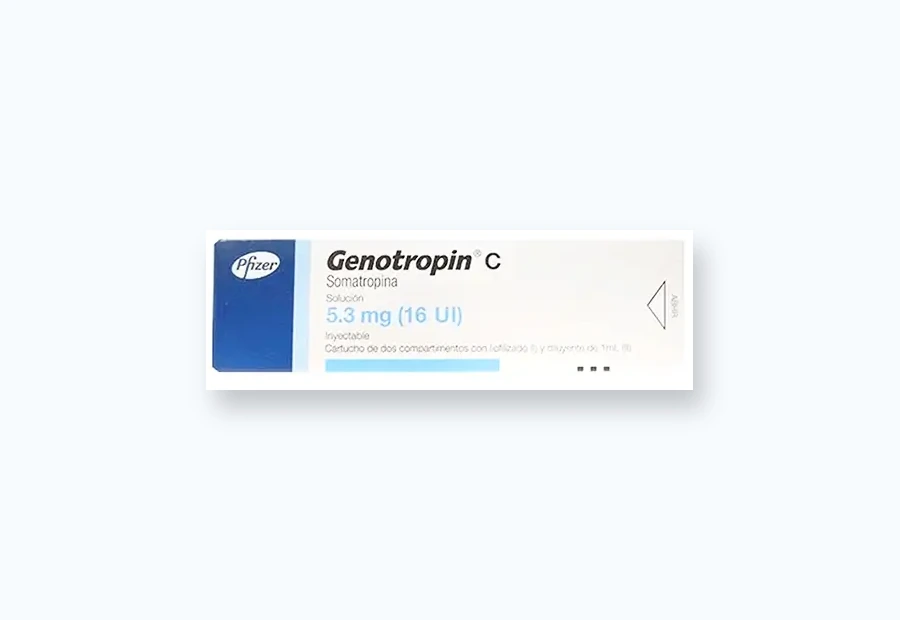
Norditropin and Genotropin both contain somatropin. Norditropin is associated with Novo Nordisk's FlexPro injection pen, while Genotropin is associated with Pfizer and includes different device and cartridge presentations. The best choice depends on the prescribed indication, product availability, device compatibility, and clinician guidance.
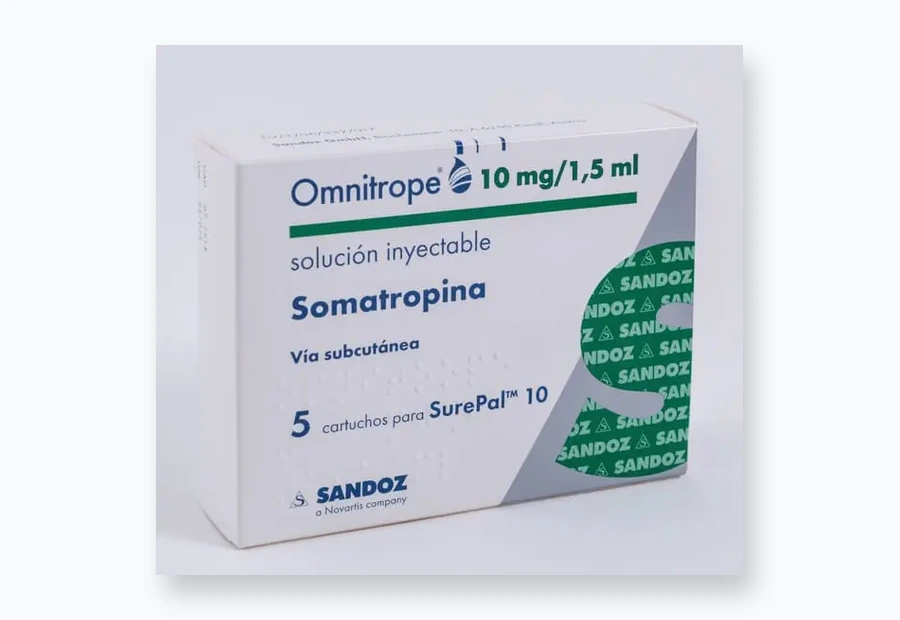
Omnitrope and Genotropin are somatropin medicines used for certain growth hormone disorders. Omnitrope is marketed by Sandoz, while Genotropin is associated with Pfizer. Their formulations, delivery devices, approved labeling, and packaging can differ. Patients should not switch products without guidance from their prescribing clinician and pharmacist.
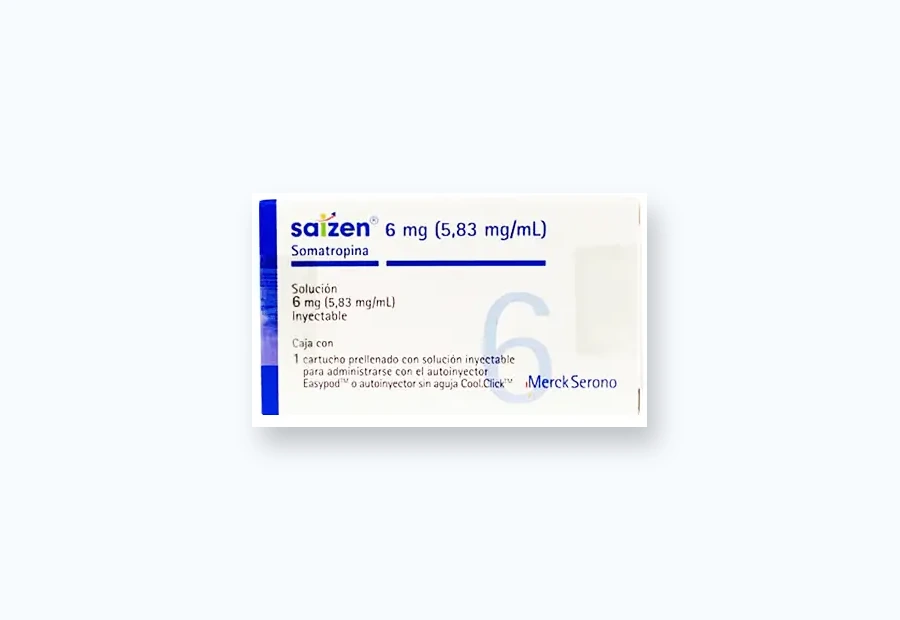
Saizen and Norditropin both provide recombinant human growth hormone. Saizen is associated with Merck Serono, while Norditropin is manufactured by Novo Nordisk. Differences include injection systems, available presentations, and product-specific handling instructions. Comparing the amount of medication supplied is more useful than comparing package prices alone.
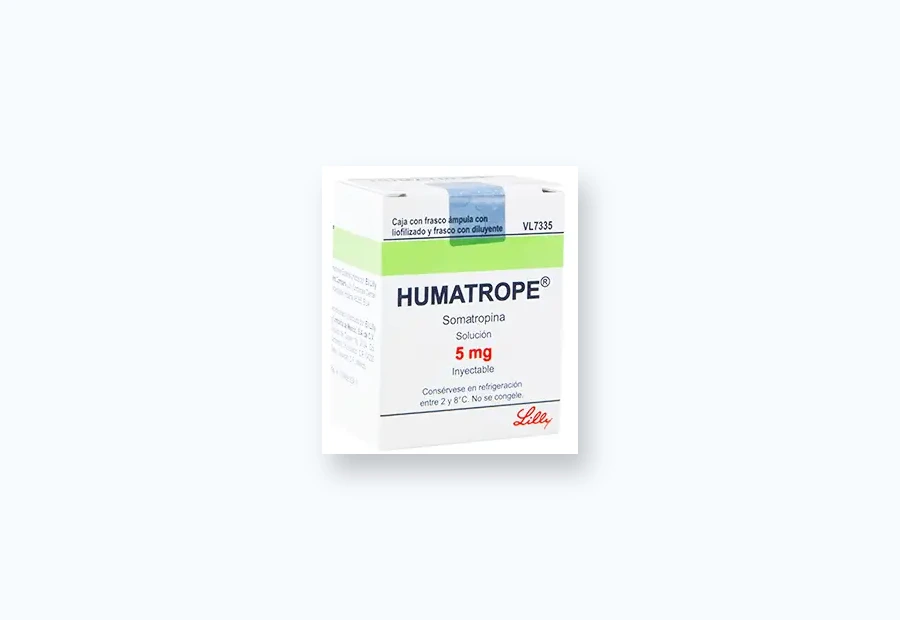
Humatrope is an Eli Lilly somatropin medicine used for specific approved growth hormone-related conditions in adults and children. Its indications include certain forms of growth hormone deficiency and selected pediatric growth disorders. Eligibility depends on diagnosis, medical history, and current prescribing information.
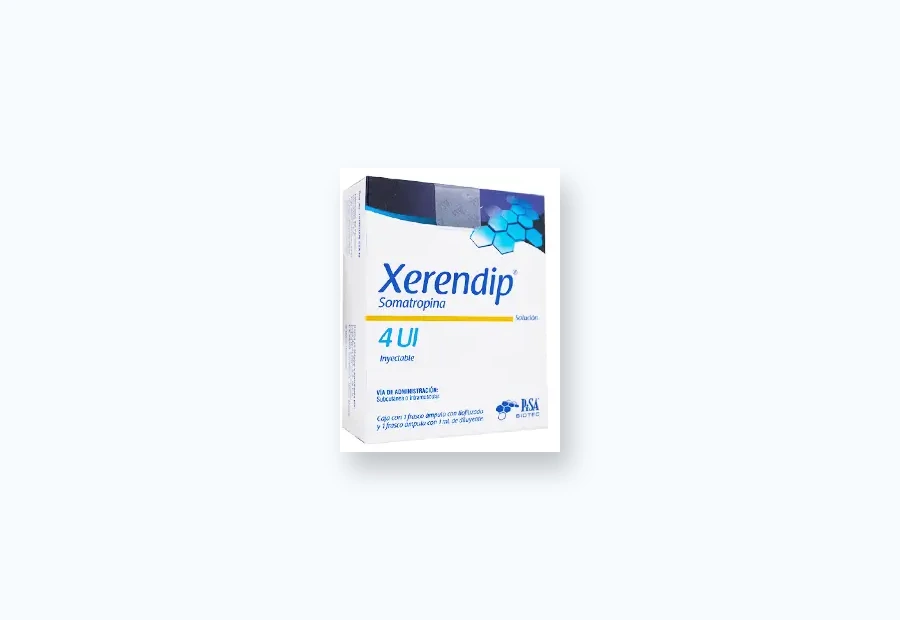
Xerendip is a somatropin product associated with the Mexican pharmaceutical market. Its presentations, regulatory status, labeling, and availability should be checked against the relevant national health authority and manufacturer documentation. A product's availability in one country does not automatically establish approval for sale in another.
There is no single HGH brand that is best for every patient. Product selection depends on the approved indication, prescribed dose, injection device, patient preferences, insurance coverage, and availability. The most appropriate comparison considers medical suitability and the total amount of somatropin supplied, rather than brand recognition alone.
Somatropin products may share the same active hormone, but biologic medicines are not evaluated in exactly the same way as ordinary generic tablets. Regulatory approval, formulation, device design, and interchangeability requirements matter. Patients should confirm whether a particular product is approved and whether substitution is appropriate.
For standard somatropin products, 1 mg is commonly equivalent to approximately 3 international units (IU). Therefore, 5 mg corresponds to approximately 15 IU, 10 mg to 30 IU, and 12 mg to 36 IU. Always confirm the conversion and concentration shown on the specific product label before interpreting a prescription.
Milligrams (mg) describe the mass of somatropin, while international units (IU) express biological activity using a standardized convention. Product listings may use either measurement. Comparing packages requires converting quantities consistently and checking the manufacturer's stated concentration and total medication content.
HGH pens are injection devices designed for administering measured doses, while vials contain medication that may require preparation and withdrawal with a syringe. Some pens are prefilled, while others use replaceable cartridges. Preparation, storage, needle requirements, and administration instructions vary by product.
Yes. Somatropin is a prescription medication in the United States. A licensed healthcare professional must determine whether treatment is appropriate based on the patient's diagnosis, medical history, and relevant testing. Pharmaceutical HGH should be obtained through legitimate, authorized dispensing channels.
Yes. Adults can develop growth hormone deficiency due to pituitary disorders, hypothalamic conditions, surgery, radiation, or other recognized causes. Diagnosis generally requires a specialist's evaluation and appropriate testing. Ordinary fatigue, aging, or reduced exercise performance alone does not establish growth hormone deficiency.
Doctors evaluate growth hormone deficiency using medical history, examination, laboratory results, and, when appropriate, specialized stimulation tests. IGF-1 measurements can provide useful information but may not establish the diagnosis alone. Testing methods differ between children and adults and should be interpreted by qualified clinicians.
IGF-1 stands for insulin-like growth factor 1. Growth hormone stimulates IGF-1 production, particularly in the liver, and IGF-1 mediates many growth-related effects. Clinicians may monitor IGF-1 during somatropin treatment to help assess treatment response and adjust therapy within an appropriate clinical range.
The time required to observe a response to prescribed HGH depends on the medical condition being treated, the patient's age, dose, and treatment goals. Some laboratory changes may occur before noticeable physical changes. Treatment effectiveness is evaluated through clinical follow-up rather than a universal timeline.
Somatropin may cause injection-site reactions, swelling, headaches, muscle discomfort, and joint pain. It can also affect glucose regulation. More serious adverse reactions require prompt medical assessment. The risks and monitoring requirements depend on the patient's medical history, indication, and prescribed treatment.
Yes. Fluid retention is a recognized adverse effect of somatropin, particularly in adults. Symptoms can include swelling in the hands or feet, joint discomfort, and tingling sensations. Persistent or significant symptoms should be discussed with the prescribing clinician, who can evaluate the treatment and possible causes.
Yes. Growth hormone influences glucose metabolism, and somatropin treatment can reduce insulin sensitivity in some patients. Clinicians may monitor blood glucose, especially in patients with diabetes or risk factors for diabetes. Medical supervision is important because individual responses differ.
Many somatropin products require refrigeration, but exact storage rules depend on the brand, presentation, and whether the medication has been prepared or opened. Temperature limits and permitted storage periods differ. Follow the current manufacturer instructions and consult a pharmacist if storage conditions are uncertain.
Exposure to temperatures outside the approved storage range may affect a somatropin product's stability. The consequences depend on the specific formulation, temperature, and duration of exposure. Do not assume that every product has the same room-temperature allowance. Check its official labeling and contact the dispensing pharmacy.
Counterfeit HGH may imitate legitimate packaging, so appearance alone cannot establish authenticity. Check the authorized supply chain, manufacturer details, lot number, expiration date, labeling, and dispensing documentation. Suspicious products should not be used until their legitimacy has been evaluated by an appropriate professional or manufacturer.
No. The FDA has not approved somatropin as a general anti-aging treatment for otherwise healthy adults. Although HGH is frequently discussed in longevity marketing, age-related changes in hormone levels do not automatically establish a medical indication for treatment. Unnecessary exposure can introduce meaningful health risks.
Growth hormone influences protein metabolism and body composition, and prescribed treatment may improve certain outcomes in people with diagnosed growth hormone deficiency. However, changes in lean body mass do not necessarily translate into improved strength. HGH is not FDA-approved for bodybuilding in healthy adults.
Growth hormone affects fat metabolism, but somatropin is not an FDA-approved general weight-loss medication. Its effects and risks differ from medications specifically approved for chronic weight management. Anyone considering treatment for obesity should discuss evidence-based options with a licensed healthcare professional.
No. HGH refers to human growth hormone, while Ozempic and Wegovy contain semaglutide, a GLP-1 receptor agonist. These medicines act through different biological pathways and have different approved indications. HGH is not interchangeable with semaglutide or other GLP-1 medications.
Mounjaro contains tirzepatide, which activates GIP and GLP-1 receptors. Wegovy contains semaglutide, which activates GLP-1 receptors. Although both are discussed in metabolic health and weight-management conversations, their active ingredients, product-specific approvals, dosing systems, and prescribing considerations differ.
HGH Ninja provides an organized directory of somatropin brands, presentations, package quantities, and USD price references. Visitors can compare Norditropin, Genotropin, Omnitrope, Saizen, Humatrope, and Xerendip through individual product pages and the comparison section. Prescription requirements and product-specific medical information remain important when evaluating any option.